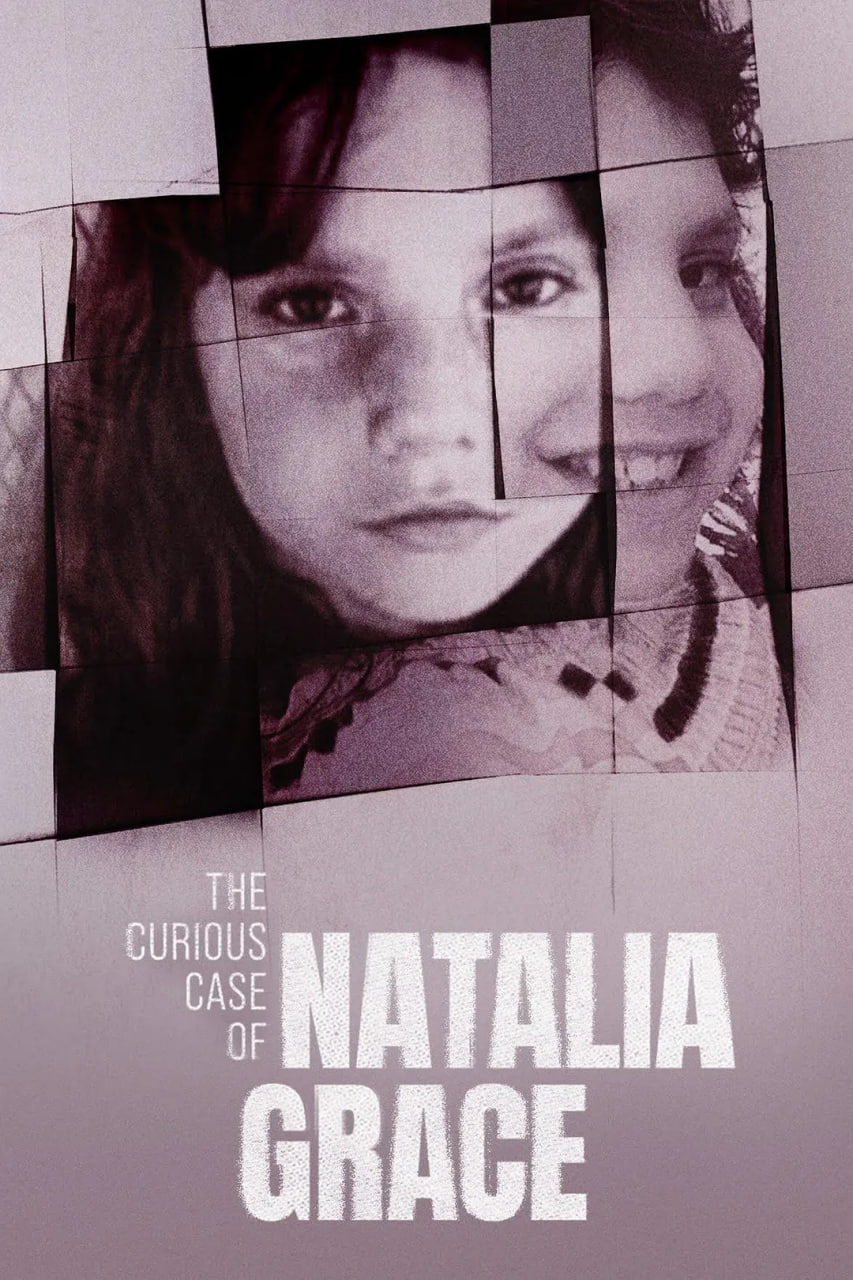
在这个比小说更离奇、颠覆期待的系列剧中,我们探讨了娜塔莉亚·巴内特究竟是一个患有侏儒症、饱受剥削的乌克兰儿童,还是一个伪装成儿童的危险成年人。第一季第一集 - 遇见巴内特一家;第二季第二集 - 孤儿还是冒名顶替者?;第三季第三集 - 噩梦邻居;第四季第四集 - 受害者还是恶棍?;第五季第五集 - 巴内特对决;第六季第六集 - 打人还是被打
本纪录片将带我们亲历野生动物在季节极限下的生活。领略它们在零下40度采取的保护措施 ,经历狂怒的森林火灾或防治权利滋生……
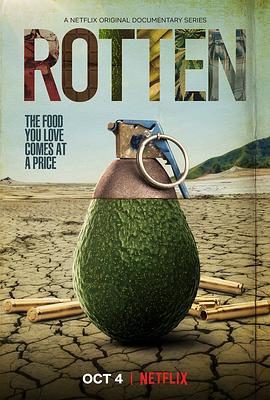
备受赞誉的电视剧《盘中之腐》迎来了第二季,深入食品供应链的核心,揭露触目惊心的真相,曝光那些暗中影响着人们饮食的力量。新话题包括鳄梨、葡萄酒、瓶装水、糖、巧克力和可食用品。
这是一部由Marco Bellocchio导演的电影,是一部关于导演家庭的纪录片,其中特别关注Marco的双胞胎兄弟Camillo,他于1968年12月27日去世。它涉及灰色的悼念主题,兄弟之间要忍受的痛苦与对他母亲的类似悲剧的渴望。 卡米洛死于一个标志性的年份,即1968年,这一年是革命的一年,是青春叛逆的一年,他对这一年从未感兴趣。卡米洛并不觉得自己是年轻的革命者的一部分,以至于在他与马可的最后一次会面中,他表示 "马克思可以等待";然而,在逐一重建贝洛奇奥家族的历史和他兄弟的死亡时,导演不可避免地要提到这个革命的年份,并伴随着马克思主义的论文。一条红线不可避免地将卡米洛与马克思联系起来,尽管前者对后者不感兴趣。 这是一个家庭的故事,他们和许多人一样面临着一个可怕的事件,而且故事中没有审查、谦虚或羞愧。来源:https://www.comingsoon.it/film/marx-puo-aspettare/61267/scheda/
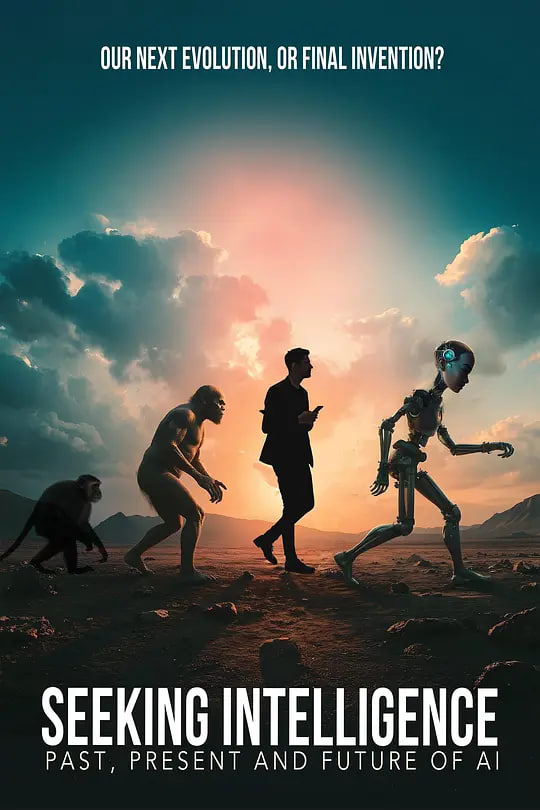
NOVA 为您带来科学和工程前沿的故事,解答今天和明天的重大问题,从我们的祖先如何生活,到平行宇宙是否存在,再到技术将如何改变我们的生活。
我们的吃货选手为了学习杭州名菜西湖醋鱼,历经坎坷,闯过层层关卡,甚至不惜自毁形象,女扮男装,终于打动大厨,拜师学艺成功!为他点个赞吧~
暂无简介
1.警用平衡车,冷冻水果,啤酒杯垫,锻造门把手 2.碎石机,布艺灯罩,蛋糕糖针,蒸气熨斗 3.赛车方向盘,蔬菜沙拉,风力发电机 4.防爆门,口红,人造棕榈树,黄铜牌匾 5.碳纤维,古董画框修复,公铁两用牵引车,劳斯莱斯小金人 6.折叠锯马&工具箱,纸筒冰淇淋,校车 7.气动方形打磨机,地形沙盘,水泥,高速卷闸门 8.手工玻璃工艺品,皮卡房箱,羊驼纱线,美工刀 9.石膏翻模,嵌入式电陶炉,丝袜,电动摩托车 10.边三轮挎斗,冷冻切片吐司,冷库压缩机翻新,机械增压器 11.定制膝盖支撑,空调外机,车窗太阳膜,摩托车排气管 12.固态硬盘,眼影,豪华加长轿车,香槟锤 13.赛车轮胎,喷射奶油&裱花笔,飘浮船坞,螺旋管道管
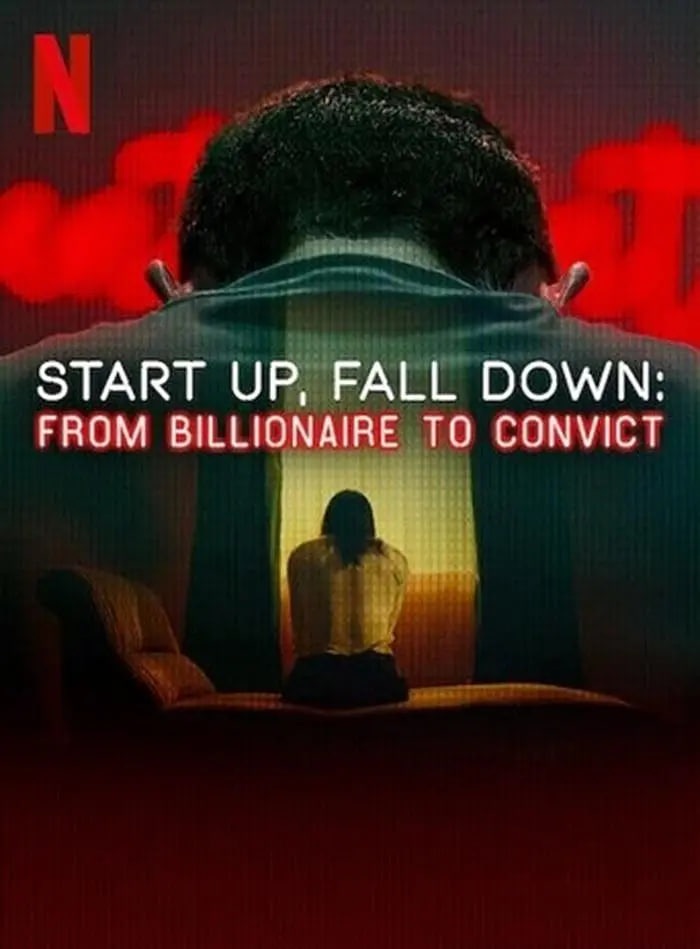
受害者和阿尔贝托·杰诺维塞的内心世界回忆起他在米兰举办的奢华派对,以及隐藏在他顶层公寓门后的罪行。
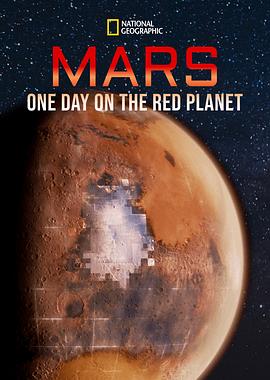
An epic journey revealing the real Mars, as you've never seen it before. Using data from orbiters and rovers to build accurate views of the red planet and uncover its secrets. On a single circuit of Mars from dawn to dusk, encounter monster volcanos, ancient lakes, alien ice-worlds and spacecraft crash sites. Explore humanity's Martian obsession, join the relentless search for life there, and hunt for a human home on the red planet's surface.
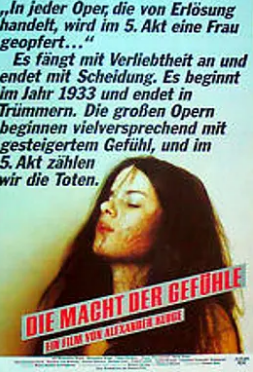
The Power of Emotion explains that emotion isn't to be confused with sentimentality. Emotion is ancient and more powerful than any art form. The film looks at young couples who run into difficulties as they try to translate their experiences of love into clear decision-making. A woman who has shot her husband provides a judge with a puzzle. Those who love can bring the dead back to life by means of co-operation. That's the focus of the opera, "The Power Plant of Emotions" and the "Opera of the 20th Century" cinema. Alexander Kluge: The Power of Feeling When I started working on The Power of Feeling, I was not in a rational state. I did not say, I have a subject and now I will make a film about it. Instead I was spellbound and observed in my direct surroundings, for example, how feelings move. I have not really dealt with the theme of my mother's death and the fact that she was the one who taught me "how feelings move." Nor have I dealt with how she died. That was an entire palette of feelings: "All feelings believe in a happy end," and everyone believes tacitly that they will live forever: The entire palette is somehow optimistic, a positive attitude towards life having been put on the agendaas long as she was young, as long as her body held out, from one day to the next she collapsed. She just suddenly collapsed, like in an opera where disaster takes the stage in the fifth act. It felt as if I had observed an air raid or a disaster. The film The Power of Feeling is not about feelings, but rather their organization: how they can be organized by chance, through outside factors, murder, destiny; how they are organized, how they encounter the fortune they are seeking.What is all this organization of feelings about? Generally feelings tend to be a dictatorship. It is a dictatorship of the moment. The strong feeling I am having right now suppresses the others. For thoughts this would not be the case. One thought attracts others like a magnet. People therefore need affirmation by other people to be sure about their own feelings (to counteract the acquisition of their feelings through outside forces). Through the interaction of many people, for example, in public, the various feelings also have a magnetic attraction to one another just like thoughts do. Feelings communicate through their manifestation in public. The cinema is the public seat of feelings in the 20th century. The organization is set up thusly: Even sad feelings have a happy outcome in the cinema. It is about finding comfort: In the 19th century the opera house was the home to feelings. An overwhelming majority of operas had a tragic end. You observed a victim. I am convinced that there is a more adventuresome combination: Feelings in both the opera and traditional cinema are powerless in the face of destiny's might. In the 20th century feelings barricaded themselves behind this comfort, in the 19th century they entrenched themselves in the validity of the lethal seriousness.
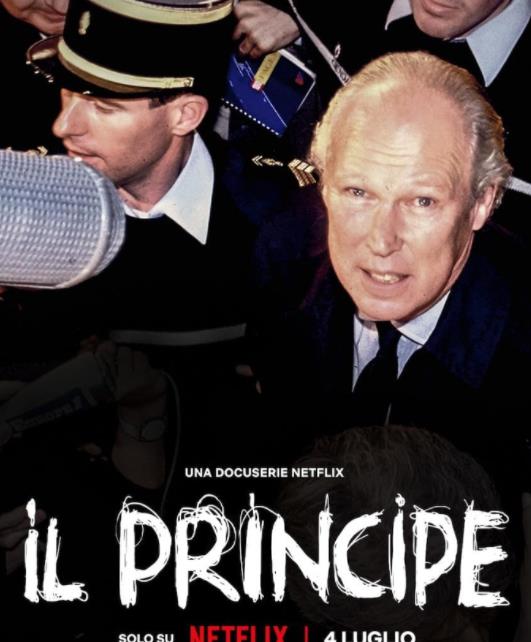
1978年,一名德国少年被杀。这部系列纪录片通过受害者的姐姐以及涉案王室成员的叙述对此案进行了探究。